


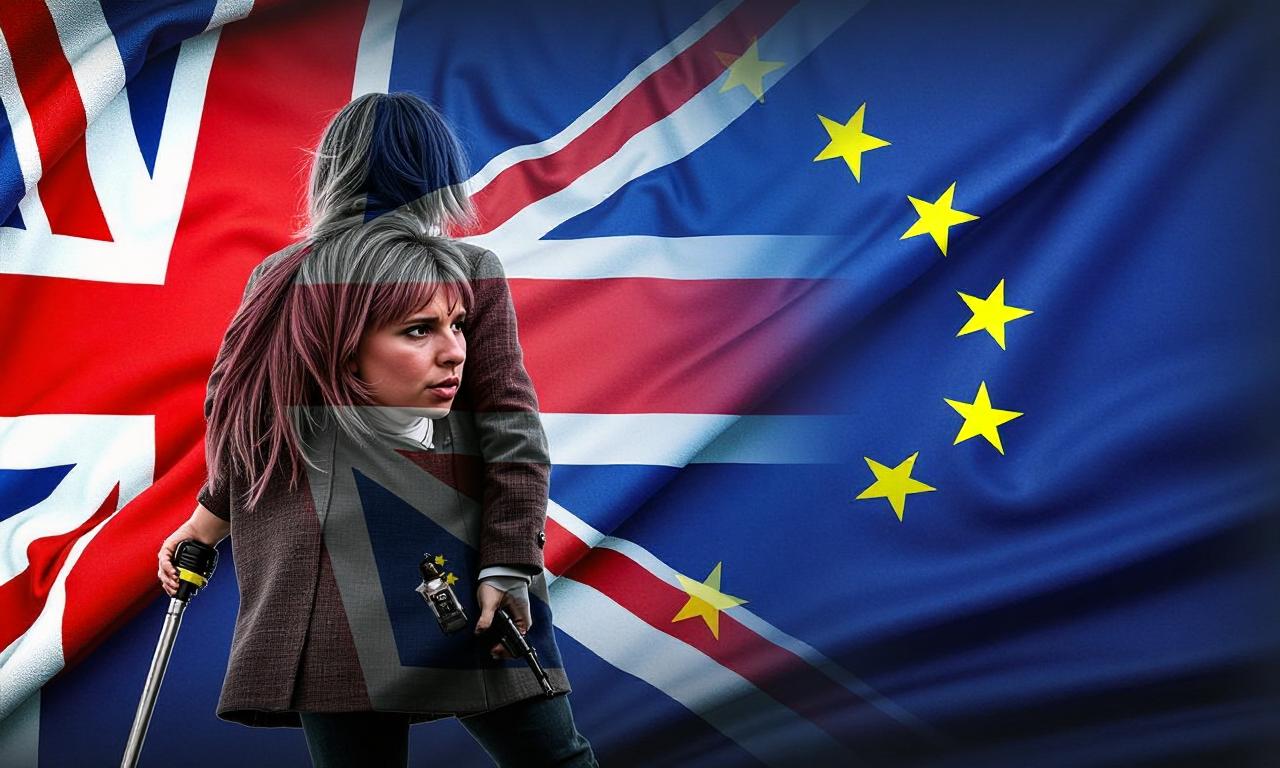
UK seeks closer EU ties in volatile times – but at what cost?
In a period of significant uncertainty, the UK is recalibrating its relationship with the European Union. With the ongoing conflict in Ukraine marking the fifth year of the continent’s most severe crisis since World War Two, rising fuel costs, and the ripple effects of the Iran war on the global economy, ministers are pushing for deeper cooperation with European partners. This effort is spearheaded by Nick Thomas-Symonds, the UK’s minister for EU relations, who emphasized to the BBC that the country is embracing a “strategic and pragmatic” strategy to align with the EU in areas of strategic importance.
Thomas-Symonds, speaking during a visit to the UK ambassador’s Brussels office, argued that public sentiment has shifted toward closer ties due to the mounting geopolitical risks. “There’s growing support for UK–EU collaboration,” he said, highlighting the necessity of strengthening partnerships in a world facing potential instability. Security and defense cooperation has already become a clear example, with the UK playing a central role in the collective response to Ukraine.
However, the minister’s focus extends beyond defense. Nearly a decade after the Brexit vote, Prime Minister Sir Keir Starmer has pledged to streamline post-Brexit trade barriers, aiming to ease the burden on UK businesses operating in the EU’s largest market. By the time of the second EU–UK summit this summer, the government plans to finalize agreements on food safety, carbon emissions, and a youth exchange program. These measures, Thomas-Symonds explained, are designed to maintain economic benefits without compromising the UK’s independence.
Notably, the UK has re-entered the EU’s Erasmus+ program, which will initially cost £570 million. The government also confirmed its continued participation in the Horizon science initiative, an annual £2.2 billion commitment. While critics argue that these deals signal a return to EU influence, supporters point to the UK’s emerging role as a key beneficiary of European research collaborations.

Political opposition remains vocal. Reform UK and the Conservative Party leaders accuse the government of shifting toward EU alignment, which they claim involves adopting EU regulations. Nigel Farage called the proposed legislation a “backdoor attempt to reintegrate Britain under EU control,” while Kemi Badenoch criticized ministers for not showing boldness in their EU engagement. The government insists it is not seeking full re-entry, emphasizing that all agreements will align with the manifesto’s red lines.
Thomas-Symonds remains firm on the UK’s stance, particularly in areas like artificial intelligence. He argued that maintaining a distinct path in AI development is essential for national sovereignty. Yet, the minister acknowledged that the EU is leveraging its position to secure favorable terms, driven by its own priorities. Despite this, the UK’s efforts reflect a balance between economic pragmatism and political flexibility in an unpredictable global landscape.