


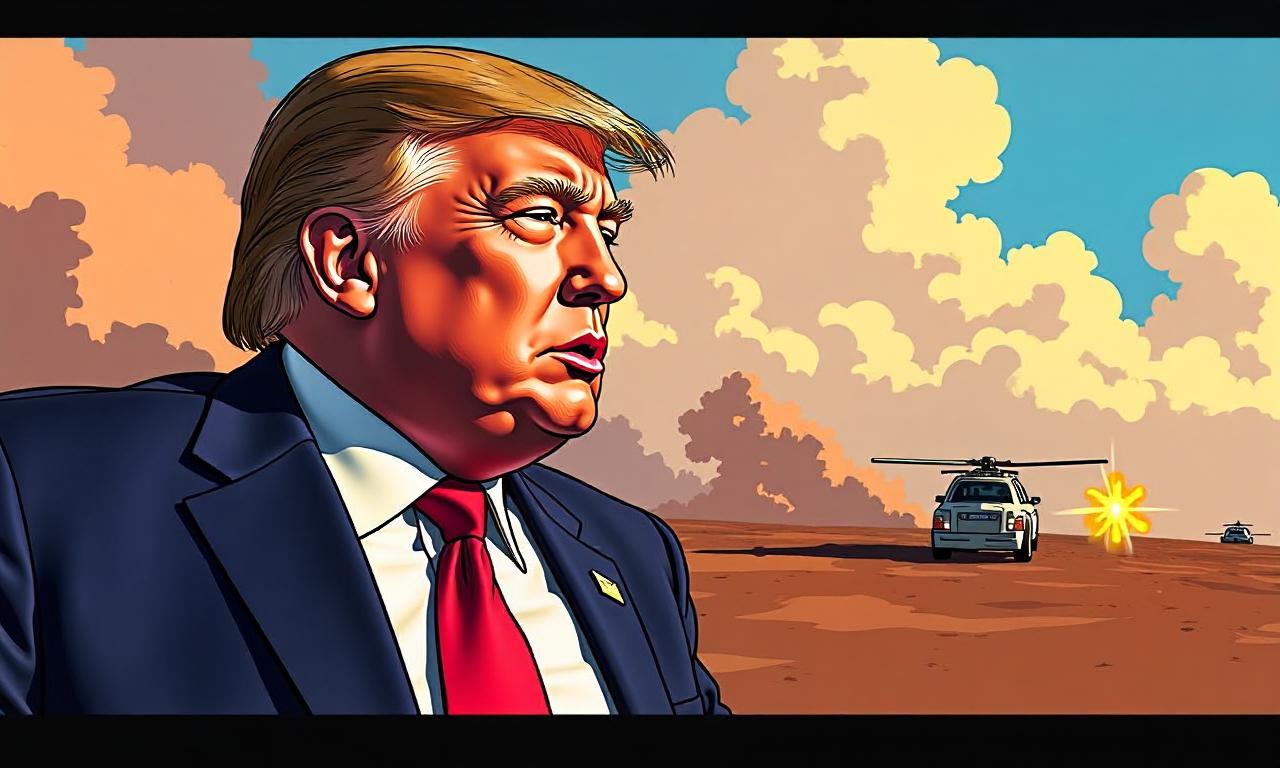
Trump’s Lebanon ceasefire takes Israel by surprise
Evening sirens echoed across Israel’s northern regions as news of the ceasefire spread, signaling incoming rockets from Lebanon. In Nahariya, air defense systems activated to intercept the projectiles, resulting in several explosions. Ambulance teams reported at least three injuries from shrapnel hours before the truce was announced, with two cases classified as severe. The agreement has sparked doubt among locals and officials alike regarding its true purpose.
“I feel like the government lied to us,” said Gal, a Nahariya student. “They promised this time it would end differently, but we’re once again facing a ceasefire that offers no real solution.”
Residents and analysts question why the Israeli government signed the truce. Maor, a truck driver from the area, expressed frustration. “We gave the Lebanese government a chance, but they failed to disarm Hezbollah,” he said. “If we don’t act, no one will. It’s a shame they stopped.”
Israel’s military presence in southern Lebanon remains strong, with five divisions deployed. Only the day before, the chief army spokesperson asserted that forces would continue their advance. The ceasefire announcement caught even the security cabinet off guard, according to reports. A respected Israeli outlet revealed Netanyahu summoned the cabinet with minimal notice, leaving ministers without a vote on the decision.
Many view this as another instance of Netanyahu yielding to Trump’s demands. “A ceasefire must come from strength to serve national interests,” remarked Gadi Eisenkot, former IDF Chief of Staff and Yashar party leader. “Netanyahu keeps imposing truces on us—first in Gaza, then in Iran, and now in Lebanon. He’s incapable of turning military success into diplomatic leverage.”

Netanyahu framed the agreement as an opportunity for a historic peace deal with Lebanon. However, he clarified that key terms, like Israeli troop withdrawal and “quiet for quiet,” were not accepted. “We are staying in Lebanon,” he stated. “Our presence in a strengthened security zone is not in question.”
Iran has pushed for an end to Israeli operations against Hezbollah since the two-week ceasefire with the US was announced earlier this month. Trump, who previously called the campaign against Hezbollah a “separate skirmish,” now claims the truce aims to create “breathing room” between Israel and Lebanon amid stalled talks with Iran.
Israeli leaders insist the ceasefire with Tehran does not equate to a pause in Lebanon. A Channel 12 poll found 80% of respondents favor continued strikes on Hezbollah. Similarly, three surveys indicated most Israelis oppose the two-week truce Trump brokered with Iran. “Agreements are signed in Washington,” said Mateh Asher Regional council head Moshe Davidovich. “But the cost is paid in blood and shattered homes in the north.”
The current truce reaffirms Israel’s right to defend itself against attacks, mirroring the November 2024 agreement. Despite this, few Israelis see it as a resolution to the conflict. Instead, many perceive it as evidence of growing pressure to align with U.S. priorities, even when the terms clash with national objectives.