


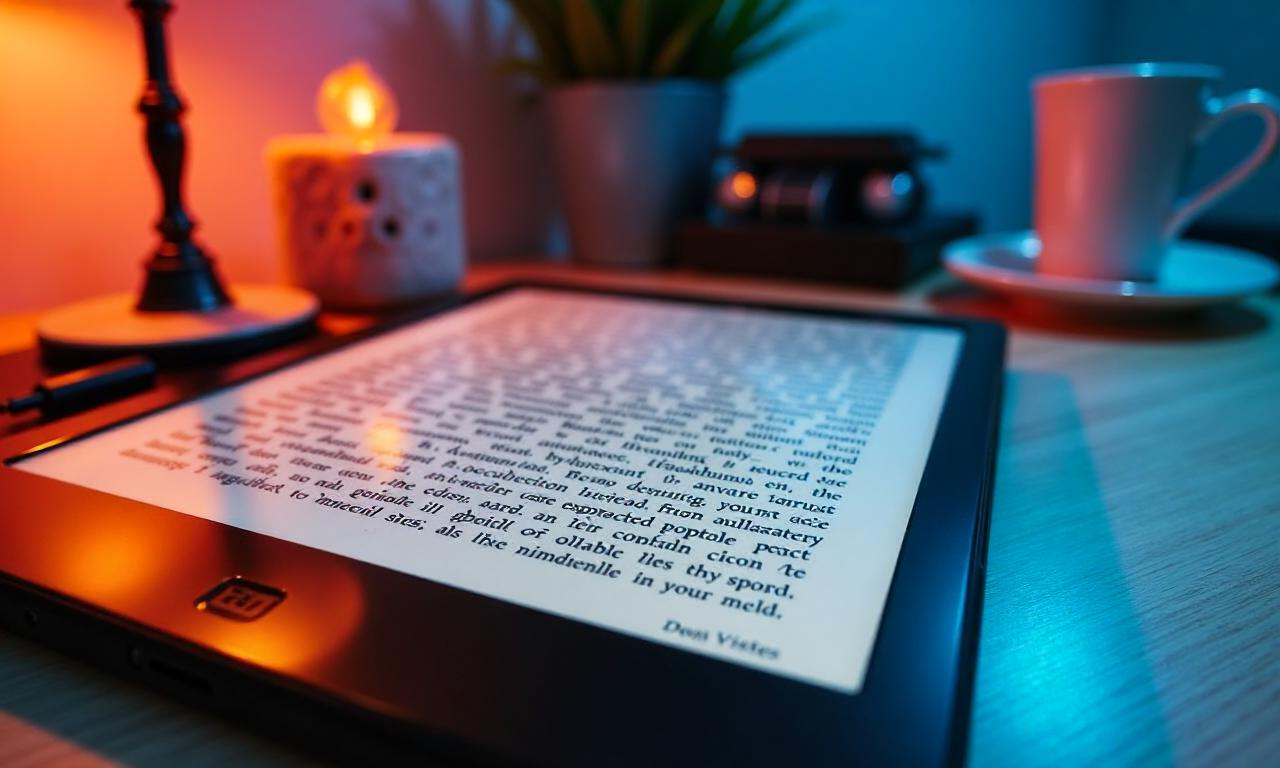
Amazon Halts Support for Older Kindle Models, Sparking User Backlash
Amazon has announced it will cease updates for Kindle devices released before or during 2012, beginning 20 May 2026. The decision has drawn strong criticism from users, many of whom feel their long-standing devices are being unfairly phased out. Affected models, such as the Kindle Touch and select Kindle Fire tablets, will lose access to new content from the Kindle Store, though existing e-books can still be read.
Users Voice Frustration Over Obsolescence
Awareness of the change spread rapidly online, with readers expressing dismay. One user shared,
“I’ve had my Kindle Touch since 2013, and it works perfectly. I bought a book on it just months ago, and now it’s obsolete.”
Another criticized the decision, stating,
“A Kindle is a text-focused device! There’s no need for updates.”
Amazon’s Reasoning for the Shift
In a statement, an Amazon representative explained the move, saying,

“Starting May 20, 2026, customers using Kindle and Kindle Fire devices from 2012 and earlier will no longer be able to purchase, borrow, or download new content via the Kindle Store.”
The spokesperson noted these devices have been supported for up to 18 years, but technological advancements have made further updates impractical.
Environmental and Practical Concerns
Environmental advocates highlight the impact of the decision. Ugo Vallauri, co-director of the Restart Project, pointed out that discontinuing support for older models often leads to “soft-bricking” millions of still-functional devices. He warned that the move could result in 2 million obsolete devices, potentially creating over 624 tons of e-waste. Vallauri added that while Amazon aims to improve performance with newer models, the abrupt end of support for older ones feels excessive.
Kay Aaronricks, 46, shared her surprise at the announcement. “It shows how much that Kindle means to me,” she told the BBC, emphasizing its role in her work and travel. She also raised concerns about advertisements on newer, discounted devices, which she believes could disrupt the reading experience by introducing distractions from marketing and social media.
Additional reporting by James Kelly. Sign up for the BBC’s Tech Decoded newsletter to stay updated on global tech trends. Outside the UK? Subscribe here.