


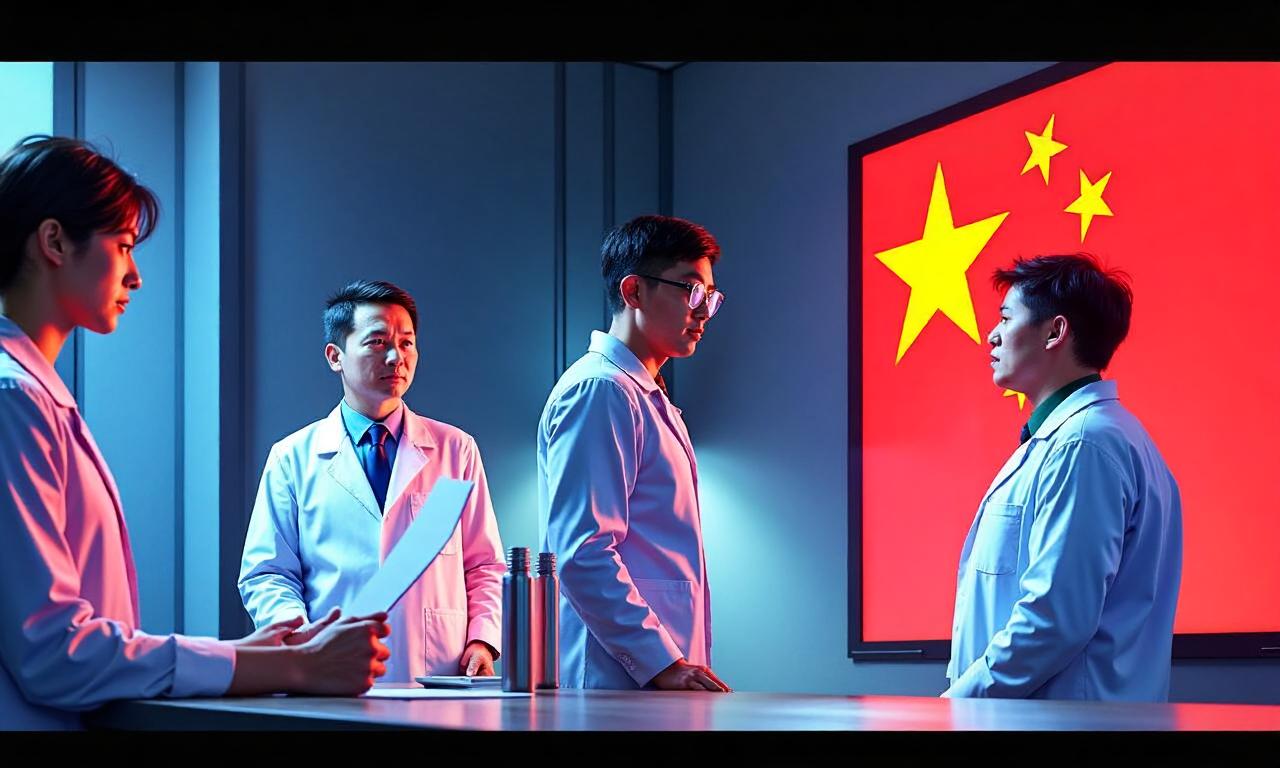
Chinese Researcher’s Death After Questioning in US Sparks Outcry in Beijing
Following the tragic passing of a Chinese semiconductor researcher in the United States, China has demanded an investigation into the circumstances surrounding the death. The individual, identified as Danhao Wang by US media, was discovered deceased shortly after engaging with federal investigators, according to CBS News. The University of Michigan, where Wang was affiliated, stated it is examining “a potential instance of self-inflicted harm” after the researcher’s fatal fall from a campus building on 19 March.
The Chinese Embassy in the US, through spokesperson Liu Pengyu, expressed deep concern over the incident. Liu emphasized that China had “repeatedly raised formal concerns with US government bodies and educational institutions” regarding the case. He also mentioned efforts to support the victim’s family during the aftermath. “Chinese students abroad should remain vigilant about safety and manage interactions with US law enforcement effectively,” Liu advised.
“China will persist in taking essential measures to robustly safeguard the rights and interests of its citizens,” said Foreign Ministry spokesperson Mao Ning when asked about Wang’s case on Wednesday.
Wang, an assistant research scientist specializing in electrical and computer engineering, focused on semiconductor technologies. His demise has intensified scrutiny on the treatment of Chinese academics in the US amid ongoing geopolitical tensions. The Chinese foreign ministry initially commented on 27 March, alleging that the researcher “took their own life following hostile interrogation by US law enforcement.” They accused such actions of undermining citizens’ rights and fostering a “chilling effect” on cross-border academic collaboration.
The US has heightened its oversight of Chinese students in recent years, citing security risks. In 2020, President Donald Trump issued an executive order restricting visas for those with suspected military connections. Last year, the Trump administration pledged to “aggressively” rescind visas from students tied to the Communist Party or studying in strategic fields. However, months later, a policy shift allowed the issuance of 600,000 Chinese student visas as trade discussions progressed between Washington and Beijing.

Wang’s death follows the 2024 suicide of Chinese-American neuroscientist Jane Wu from Northwestern University, which led her family to file a lawsuit against the institution. They claimed the university had mishandled her case during a prolonged federal probe into her links with China. These incidents highlight growing anxieties among Chinese scholars in the US about their treatment and the broader diplomatic climate.