


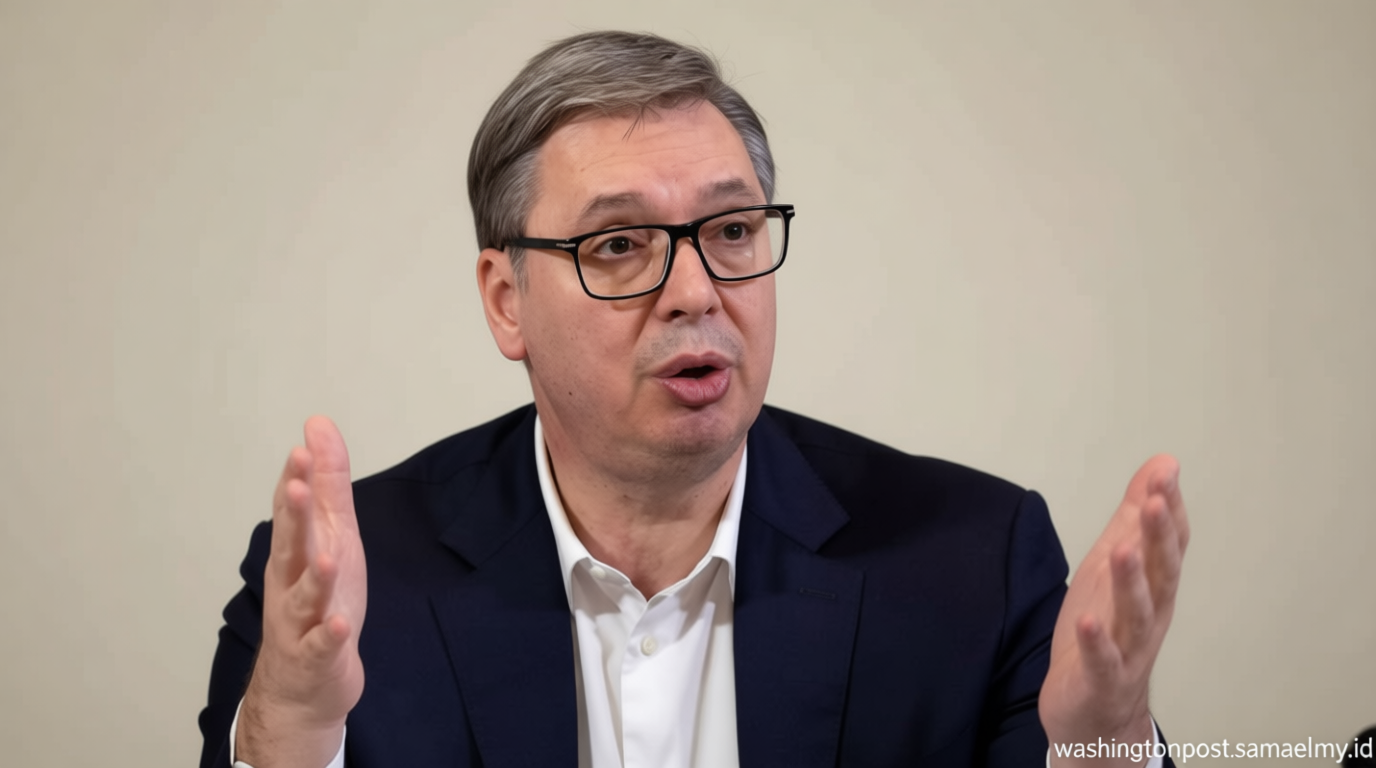
Backpacks full of explosives found near Russian gas pipeline close to Serbia-Hungary border
On Sunday, Serbian President Aleksandar Vucic revealed that two backpacks filled with explosives had been discovered near a gas pipeline in northern Serbia, close to the Hungarian border. The pipeline transports Russian gas, and the discovery raised concerns about potential threats to critical infrastructure. The backpacks contained “two large packages of explosives with detonators,” located “a few hundred meters from the gas pipeline,” according to Vucic.
Energy Dependencies and Political Tensions
Both Serbia and Hungary maintain strong reliance on Russian energy, setting them apart from many other European nations aiming to cut ties with Russian supplies. Serbian authorities emphasized that the explosives could have endangered lives and caused major damage, though details about their possible motives remain unclear. Vucic noted “certain traces” of origin but did not specify them immediately.
Vucic informed Hungarian Prime Minister Viktor Orban of the investigation’s initial findings, highlighting the risk to the gas infrastructure. Orban, who is currently engaged in a heated election campaign ahead of the April 12 parliamentary vote, announced plans to hold an emergency defense council meeting later Sunday. The event follows his recent warnings about an impending energy crisis, attributing it to the war in the Middle East and demanding the EU suspend sanctions on Russian energy imports.
Accusations and Counterclaims
As the situation unfolded, Orban’s government began suggesting Ukraine might be responsible. In social media posts, Foreign Minister Peter Szijjártó likened the discovery to the September 2022 Nord Stream pipeline attack, which he accuses Ukraine of orchestrating. Kyiv has consistently denied any involvement in that incident, which involved underwater explosions causing massive leaks in the Baltic Sea.

“We categorically reject attempts to falsely link Ukraine to the incident with explosives found near the Turkstream pipeline in Serbia,” stated Ukrainian Foreign Ministry spokesperson Heorhii Tykhyi, implying the explosives might have been part of a Russian “false-flag operation.”
Hungarian opposition leader Péter Magyar supported this claim, stating that if Orban used the incident for political gain, it would signal “an open admission” of a premeditated false-flag attack. These accusations come amid long-standing tensions between Orban and the EU, particularly over Russia relations, support for Ukraine, and immigration policies.
Strategic Alliances and Political Context
Vucic and Orban both maintain close ties with Moscow. Serbia recently extended its gas imports from Russia after discussions with Vladimir Putin, underscoring their partnership. Orban, meanwhile, has criticized Ukraine for hindering oil supplies via a Russian pipeline crossing Ukrainian territory.
In February, US Secretary of State Marco Rubio described relations between Washington and Budapest as entering a “golden age,” expressing that “your success is our success” during a press conference. US Vice President JD Vance will visit Budapest in the final days of the election campaign, further strengthening ties. Analysts suggest Orban faces the most significant challenge to his leadership in 16 years, with recent polls indicating the Tisza party may be gaining ground over his Fidesz party, though voter sentiment remains divided.