


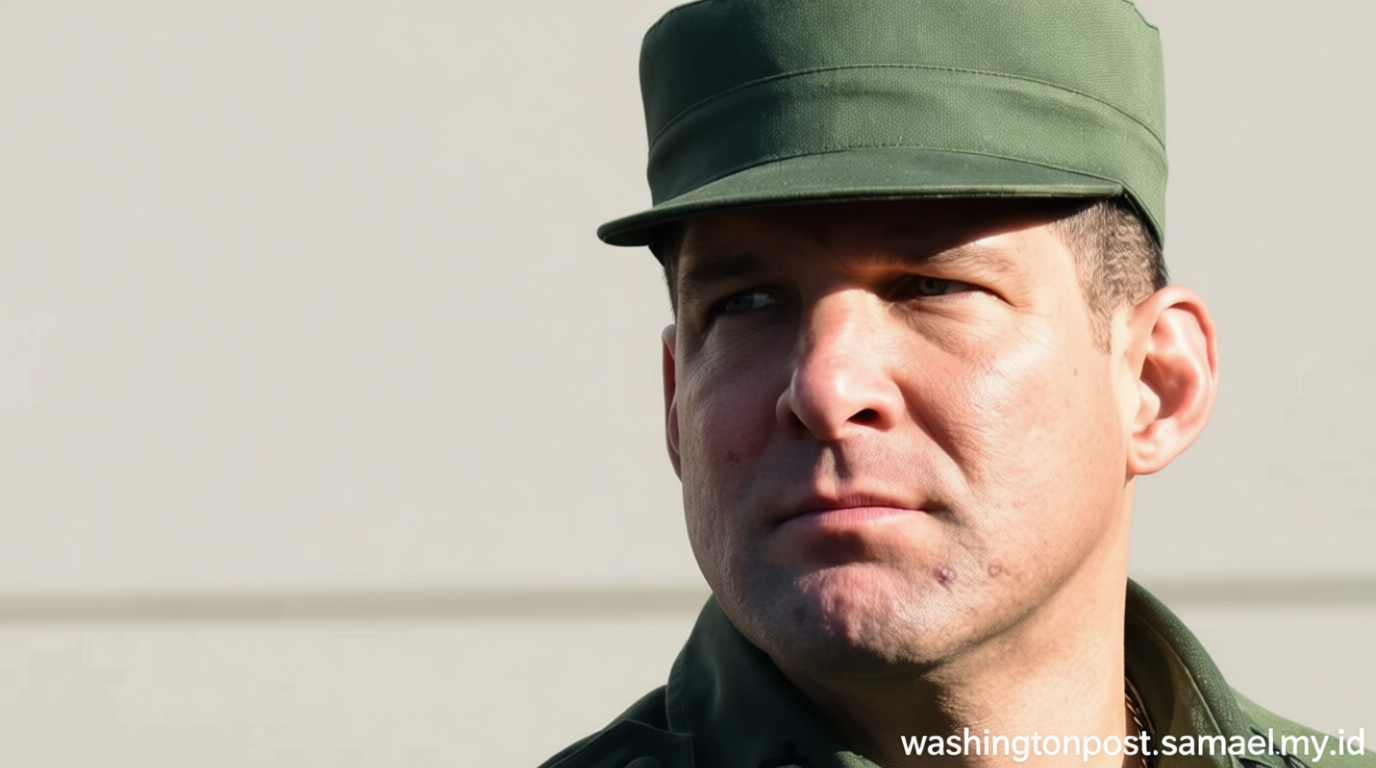
With the US pressuring Cuba, a Castro known as ‘the Crab’ is making appearances. Here’s why it matters
Cuba’s political landscape has shifted as the grandson of former president Raúl Castro, Raúl Guillermo Rodríguez Castro, steps into the spotlight. The 41-year-old, nicknamed “Raulito,” joined Cuban leader Miguel Díaz-Canel at two public events on Friday, sparking speculation among observers about his potential influence in the country’s leadership amid growing American pressure.
On Friday morning, Rodríguez Castro participated in a gathering with Communist Party leaders and government ministers. Later, he attended a press conference where Díaz-Canel outlined the nation’s social and economic challenges. The president confirmed ongoing dialogue with the U.S., noting that Washington’s sanctions and recent intensified efforts have strained Havana’s resources. Analysts suggest this visibility could signal a new era for the Castro family’s legacy in Cuban politics.
A New Chapter for the Castro Dynasty
Rodríguez Castro, the son of Raúl Castro’s daughter Débora and Luis Alberto Rodríguez López-Calleja, a former military official, is emerging as a key figure. His father, who oversaw the Business Administration Group (GAESA), was a trusted ally of Raúl Castro before his passing in 2022. Following his father’s death, Rodríguez Castro took charge of his grandfather’s security, leading the personal guard during Raúl’s presidency from 2008 to 2018.
“Raúl Guillermo, ‘el Cangrejo’ (the Crab), became head of Raúl’s personal guard, his personal security detail,” said Sebastián Arcos, director of the Cuban Research Institute at Florida International University. “Eventually, he became head of what would be the Cuban equivalent of the Secret Service.”
Photos from Reuters reveal Rodríguez Castro guarding his 94-year-old grandfather during meetings with high-profile figures like Pope Francis and Russian officials. His public presence has drawn attention, especially as Cuba grapples with its most severe crisis in years. The communist government, weakened by decades of U.S. sanctions and internal mismanagement, is now facing mounting pressure from Washington.

Recent events have deepened the crisis. After the January 3, 2026, U.S. operation that removed Venezuelan leader Nicolás Maduro, Cuba’s ties to its oil supplier were severed. This move is part of a broader U.S. strategy to undermine Havana’s regime. Since December, Washington has blocked Venezuela from sending oil to Cuba, worsening the island’s economic woes.
International relations experts note that Rodríguez Castro’s rise is notable. He has no documented history within the Communist Party, unlike his grandfather Fidel Castro, who led the revolution and served as president from 1976 to 2008. Despite this, his appearances suggest a growing role in shaping Cuba’s future. Some analysts argue that his prominence could position him as a leader if the current government faces upheaval.