


We did everything they wanted
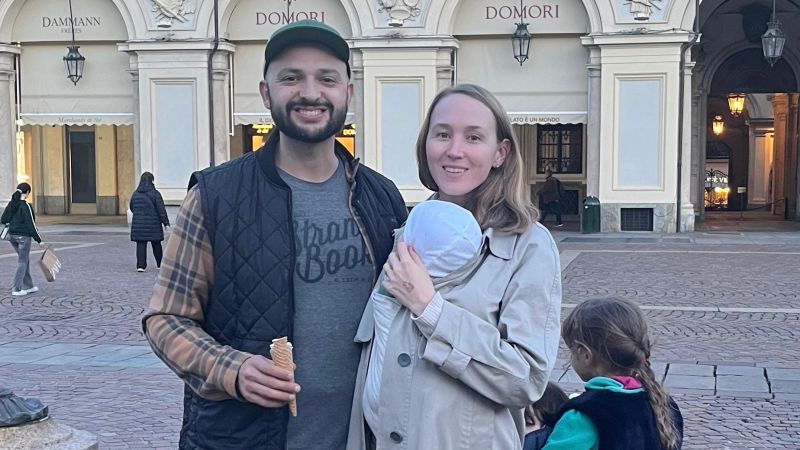
Kellen Matwick, his spouse Jacqueline, and their two children embarked on a one-way journey to Italy in August 2024, hopeful for a fresh start. The Matwicks, descendants of Italian emigrants who settled in Pennsylvania, were among those impacted by a recent shift in Italy’s citizenship policies. A year prior, on March 28, 2025, the government enacted new rules for heritage-based citizenship, and this month, the constitutional court signaled its approval of the policy, rejecting initial challenges to the law.
A dream disrupted by sudden change
When the law was imposed through an emergency decree, officials cited rising numbers of citizens by descent who had never resided in Italy. However, for Matwick, the policy didn’t just delay his aspirations—it upended his daily life. He and his family had relocated to Italy to begin the process of reclaiming their roots, only to face a legal overhaul before their documents were finalized. Without a grace period for those already in the country, they now find themselves in an uncertain legal status, unable to work, travel, or access healthcare.
Choices and consequences
Before the policy shift, the Matwicks had two options: Spain, where Kellen could secure a digital nomad visa, or Italy, which offered citizenship through ancestral ties. Though both spoke Spanish fluently, they chose Italy for its promise of stability. They believed the process—once a well-established path for Italo-descendants—would grant them a clearer future. Instead, they were penalized for following the rules.
Two years of gathering evidence proved Matwick’s heritage, and the family arrived in Turin in August 2024. The next day, they submitted their documents to local authorities, expecting a swift response. But as Jacqueline noted, “It was August, so nobody responded.” With businesses closed for the month, the family had to wait until October to receive a response. By then, a new circular had already altered their prospects, rendering thousands of Americans ineligible for citizenship.

“We said, ‘Let’s do it the right way,’” Kellen recalled. “We treated it like an actual move, chose the city we wanted, got an apartment, and made the kids learn Italian. We did everything they wanted. Now I feel so stupid—because we did it the right way, we got penalized.”
The process of reclaiming citizenship in Italy involves multiple bureaucratic steps. Arrivals must secure a rental agreement, register with local authorities over 45 days, and obtain a residency permit. Only after these steps can they present their heritage documents for recognition, a procedure once considered automatic at birth. Yet now, the Matwicks face delays and ambiguity, their dream of a seamless return to their ancestral homeland stalled by a sudden legal shift.