


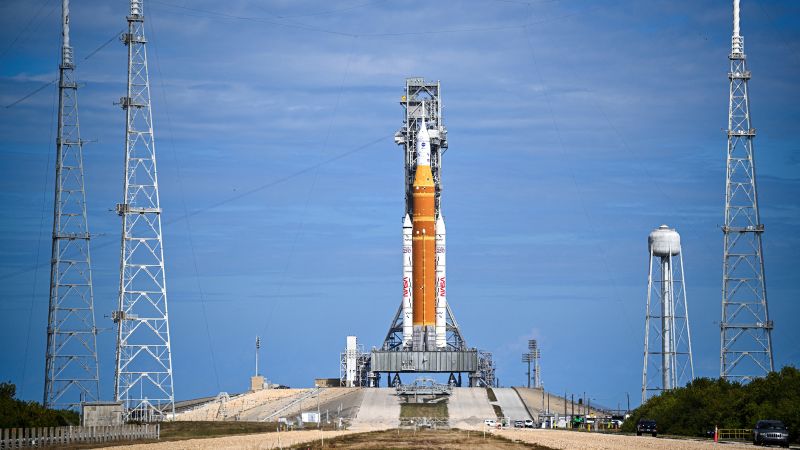
NASA Delaying Artemis II Lunar Mission to March
The National Aeronautics and Space Administration (NASA) has shifted the earliest possible launch date for its historic Artemis II lunar mission to March. This mission will mark the first time four astronauts venture into deep space since the Apollo program concluded over five decades ago. The decision follows a critical test of the Space Launch System (SLS) rocket, known as a wet dress rehearsal, which NASA completed in the early hours of Tuesday.
“With more than three years between SLS launches, we fully anticipated encountering challenges,” NASA Administrator Jared Isaacman stated in a tweet. “That is precisely why we conduct a wet dress rehearsal. These tests are designed to surface issues before flight and set up launch day with the highest probability of success.”
The initial launch window had been set for as early as February 8, but the delay allows teams to analyze data and perform a second launch rehearsal. NASA officials noted that cold weather caused a late start and led to several problems during the test, including hydrogen leaks while filling the rocket with propellant.
Quarantine Adjustments and Crew Status
Following the delay, the astronauts will no longer travel to NASA’s Kennedy Space Center in Florida as originally planned for Tuesday. They were released from quarantine in Houston on January 21, and will re-enter it approximately two weeks before the next targeted launch date. The agency had previously listed March 6, March 7, March 8, March 9, and March 11 as potential launch dates.
Crew Updates During Rehearsal
Artemis II commander Reid Wiseman received frequent updates throughout the wet dress rehearsal on Monday, according to NASA officials. “We’ve been staying in constant communication so they know where we are and that we’re all together on this as we are moving forward with our plans,” said Lori Glaze, acting associate administrator for NASA’s Exploration Systems Development Mission Directorate.

If the mission does not launch in March, a rollback to a nearby building will be necessary to replace some batteries on the upper portion of the rocket. This adjustment could set a new record for the farthest distance humans have ever traveled from Earth, with the crew embarking on a 10-day journey beyond the moon’s far side.
Sign up for Countdown, CNN’s newsletter covering NASA’s first time sending humans to deep space in over 50 years