


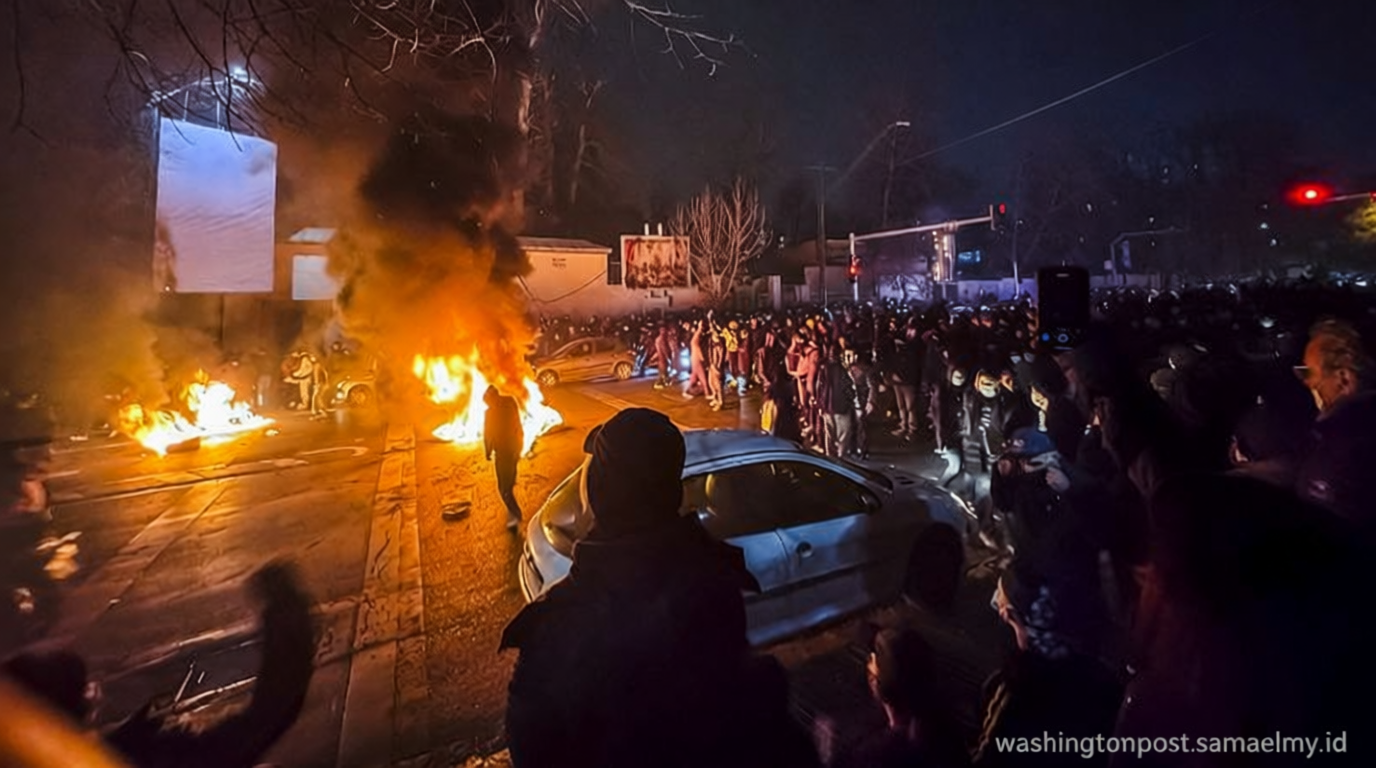
Anti-Government Protests Spread Across All 31 Iranian Provinces
Anti-government protests have erupted in all 31 provinces of Iran, marking a significant wave of unrest that poses the largest challenge to the regime in recent years. A comprehensive communications shutdown, described by experts as historically unprecedented in scale, was enforced by authorities on Thursday, effectively isolating the nation from the global community during the escalating crisis.
US President Donald Trump has warned of military action against Iran if security forces resort to violent measures against demonstrators. Over hundreds of protesters have reportedly lost their lives, while thousands have been detained. As public frustration intensifies, here’s an overview of the key developments.
Protests Begin in Tehran’s Bazaars
The demonstrations initially ignited in Tehran’s bazaars two weeks ago, fueled by skyrocketing inflation. Prices of essential items such as cooking oil and chicken surged dramatically, with some products disappearing from store shelves entirely. The situation worsened when the central bank terminated a program that provided cheaper US dollars to select importers, prompting shopkeepers to raise prices and close businesses.
Shopkeepers, known as bazaaris, have traditionally been a staunch ally of the Islamic Republic. Their sudden shift to protest highlights the growing dissatisfaction among the populace. Iran’s reformist government attempted to ease tensions by distributing direct cash handouts of nearly $7 per month to every citizen, yet this measure failed to subdue the unrest.

Historical Significance of Bazaaris
The recent protests are the most extensive since 2022, when the death of Mahsa Amini at the hands of the religious police sparked the “Woman, Life, Freedom” movement. This current wave is driven by economic hardship and perceived ethnic inequalities, with crowds chanting “Death to Khamenei” as a direct challenge to Iran’s supreme leader, Ayatollah Ali Khamenei.
“For more than 100 years of Iranian history, bazaaris have been key actors in all of Iran’s major political movements,” said Arang Keshavarzian, a professor of Middle Eastern studies.
According to the US-based Human Rights Activists New Agency (HRANA), over 500 protesters, including at least eight children, have been killed since the unrest began. Nearly 10,700 individuals have been arrested, though CNN has been unable to independently confirm these figures. The fact that the protests started with bazaaris—a historically influential group and regime loyalist—adds depth to their significance in the ongoing crisis.